The fusion of digital electronics and smart home appliances has revolutionized the concept of the “smart home,” turning ordinary living spaces into connected, intelligent environments that respond to the needs of their occupants. Digital Electronics & Smart Home Appliances represent the core of this revolution, encompassing a wide range of products that combine cutting-edge digital technology with smart, app-enabled home appliances to create a seamless, efficient, and personalized home experience. This category is the driving force behind the global smart home market, appealing to tech-savvy consumers and innovative businesses alike, and shaping the future of how we live in our homes.
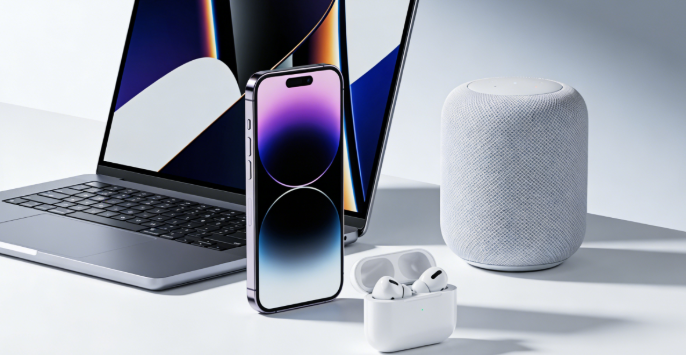
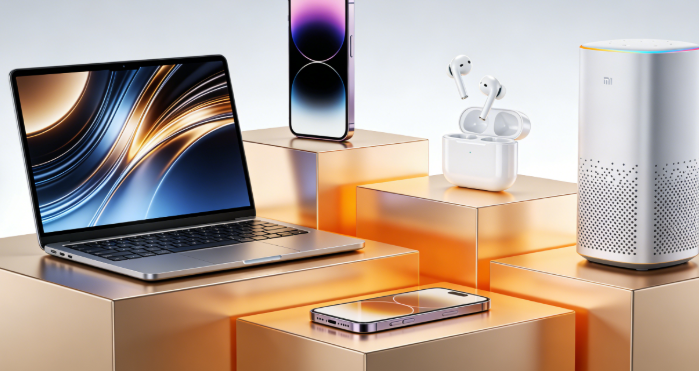
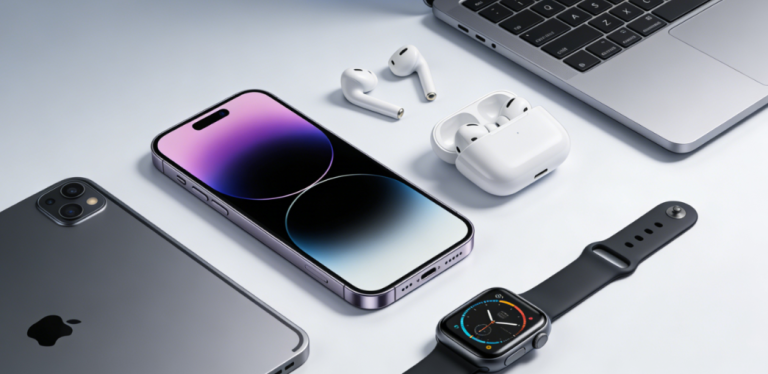
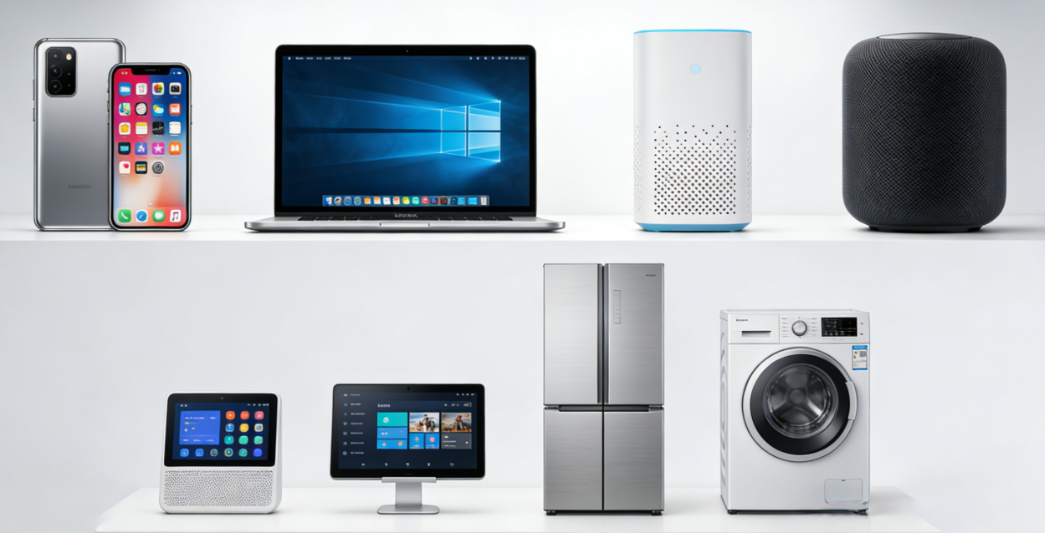
Digital electronics form the nerve center of the smart home, providing the connectivity and control needed to power all smart appliances and devices. This includes a wide range of products, from basic smart hubs and Wi-Fi extenders that ensure reliable connectivity throughout the home, to advanced digital devices like smartphones, tablets, smart speakers, and smart displays that serve as the primary control interfaces. It also includes wearable devices, such as smartwatches and fitness trackers, that sync with smart home appliances to create a fully integrated lifestyle—for example, a smartwatch can send a signal to the coffee maker to start brewing when the user wakes up, or to the thermostat to adjust the temperature when the user is on their way home. Additionally, digital electronics like security cameras, motion sensors, and smart doorbells add a layer of safety and security to the smart home, allowing users to monitor and control their home from anywhere in the world.
Smart home appliances are the workhorses of the connected home, leveraging digital technology to automate tasks, optimize performance, and enhance user convenience. This category covers every area of the home, from the kitchen to the laundry room, the living room to the bedroom. Kitchen appliances include smart refrigerators, ovens, microwaves, and blenders that can be controlled via app or voice command, offer pre-programmed recipes, and adjust their settings for optimal cooking results. Laundry appliances feature smart washing machines and dryers that can be started remotely, track laundry cycles, and send alerts when a load is complete. Climate control appliances include smart air conditioners, heaters, air purifiers, and dehumidifiers that adjust their operation based on indoor air quality, temperature, and user presence, ensuring maximum comfort with minimal energy use. Even small home appliances—such as smart kettles, toasters, and humidifiers—have been transformed by digital technology, making everyday tasks faster and more convenient.
For consumers, the appeal of digital electronics and smart home appliances is multifaceted: they save time, reduce energy costs, enhance convenience, and add a layer of safety and security to the home. By automating repetitive tasks and allowing remote control of home appliances, these products free up users to focus on more meaningful activities, while their energy-efficient features help reduce monthly utility bills and minimize environmental impact. The personalized experience they offer—adapting to user habits and preferences—also makes the home a more comfortable and enjoyable place to live, catering to the unique needs of every household.
For businesses, the digital electronics and smart home appliance market is a dynamic and rapidly growing industry, with global market value projected to rise exponentially in the coming years. The key to success in this market is innovation and compatibility: businesses must develop and offer products that are not only technologically advanced but also compatible with other smart home devices and platforms (such as Amazon Alexa, Google Home, and Apple HomeKit). This ensures that consumers can build a seamless smart home ecosystem without being locked into a single brand, a critical factor in driving consumer adoption. Additionally, businesses must focus on user experience, creating products with intuitive interfaces and easy setup processes—even for consumers with limited tech knowledge.
Sustainability and accessibility are also key trends shaping the digital electronics and smart home appliance market. Brands are increasingly developing products with eco-friendly materials, energy-efficient technology, and recyclable components, aligning with global sustainability goals. They are also designing products that are accessible to all users, including those with disabilities, with features like voice control, large touchscreens, and simple navigation.
In the end, Digital Electronics & Smart Home Appliances are more than just products—they are the building blocks of the smart home of the future. They combine digital innovation with practical home appliance design, creating a connected living experience that is efficient, convenient, and personalized. For consumers, they are the key to a more modern and enjoyable home life; for businesses, they are the gateway to a thriving market that is defined by innovation, connectivity, and progress. As technology continues to evolve, the fusion of digital electronics and smart home appliances will only deepen, creating even more exciting possibilities for the future of living.
About the Author